


Commercial Window Cleaning Safety StandardsPosted on Friday, June 12th 2026
Share:


Commercial Window Cleaning Safety Guide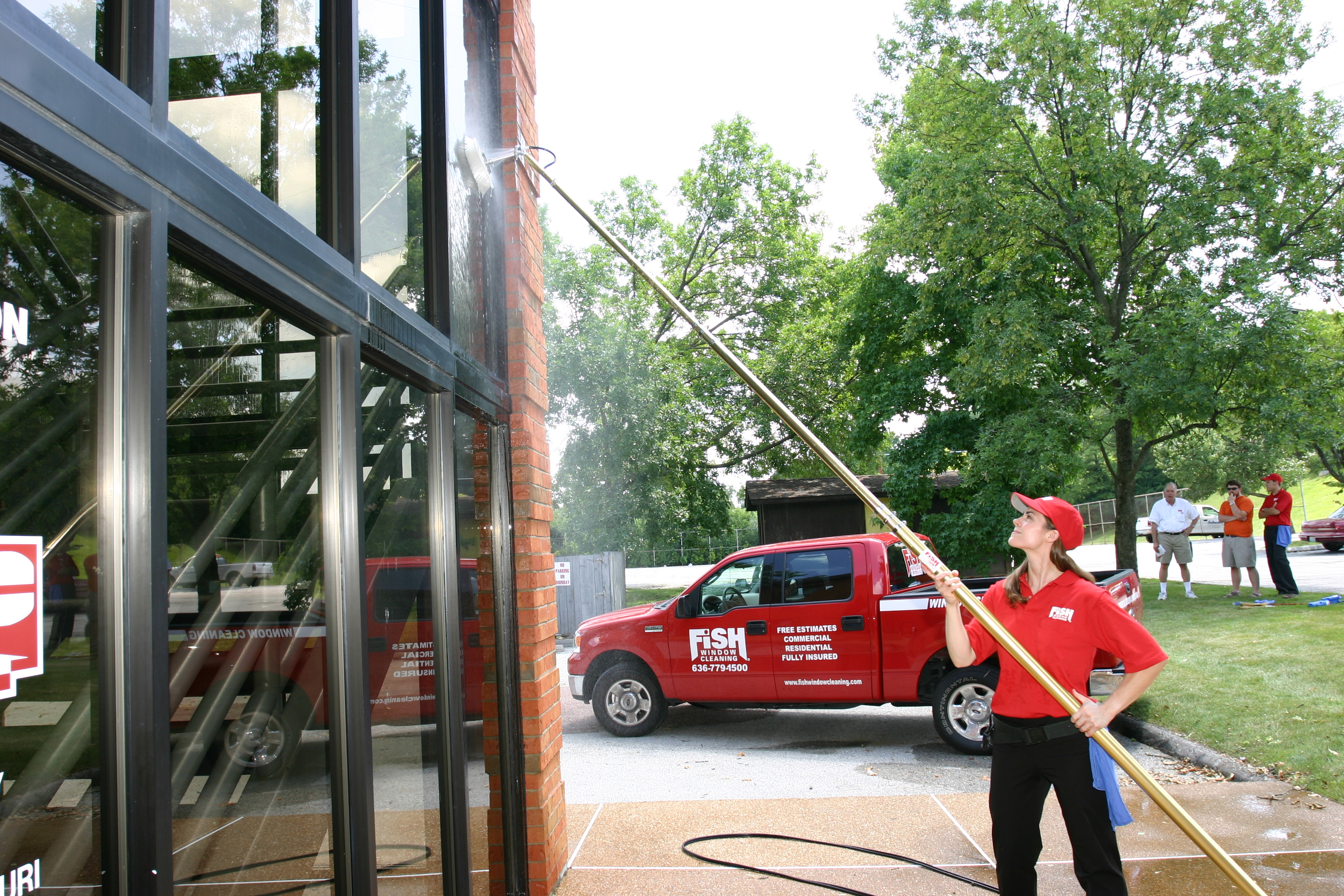
Commercial window cleaning requires more than the right tools and cleaning solutions. Safety planning, proper training, and compliance with industry regulations are all necessary to protect workers, customers, pedestrians, and property on every project. Whether
servicing a small office building or a larger commercial property, following proper procedures can help reduce risks while supporting efficient cleaning operations.
servicing a small office building or a larger commercial property, following proper procedures can help reduce risks while supporting efficient cleaning operations.
Key Takeaways
- Commercial window cleaning safety standards help protect workers, pedestrians, and property during exterior cleaning projects.
- OSHA regulations and ANSI/IWCA standards establish important safety requirements for commercial window cleaning operations.
- Proper safety equipment, training, and fall protection systems are critical for reducing workplace accidents and injuries.
- Window washer safety best practices include hazard assessments, equipment inspections, weather monitoring, and clear communication procedures.
- Professional commercial window cleaning companies like Fish Window Cleaning® follow strict safety protocols to ensure efficient, compliant cleaning operations.
Why Commercial Window Cleaning Safety Matters
Commercial window cleaning often involves ladders, elevated surfaces, and changing conditions. Without proper procedures in place, these environments can create serious risks for workers and anyone near the job site.
Slippery surfaces, unstable equipment, poor weather conditions, and improper fall protection can all increase the likelihood of accidents and falls.
Safety standards help reduce these risks by establishing clear procedures for:
- Equipment setup and inspection
- Fall protection systems
- Worker training
- Hazard communication
- Site management and pedestrian protection
For property owners and managers, hiring a professional company like FISH that follows established safety procedures also helps limit liability concerns while ensuring work is completed responsibly.
OSHA Regulations for Window Cleaning
The Occupational Safety and Health Administration (OSHA) establishes federal workplace safety requirements that apply to commercial window cleaning operations.
OSHA window cleaning regulations cover several areas related to window washing safety, including:
- Fall protection requirements
- Ladder and scaffold safety
- Personal protective equipment (PPE)
- Hazard communication standards
- Worker training requirements
Under OSHA guidelines, employers are responsible for providing workers with safe equipment, proper training, and protection from recognized workplace hazards.
Commercial window cleaners working at elevated heights may be required to use personal fall-arrest systems, guardrails, anchors, safety harnesses, stabilized ladders, or scaffolding to help reduce the risk of falls.
Weather events such as high winds, lightning, snow, or icy conditions can also create unsafe working environments and may require postponing work until conditions improve.
ANSI/IWCA I-14.1: The Window Cleaning Industry Standard
In addition to OSHA requirements, many commercial window cleaning companies follow the ANSI/IWCA I-14.1 standards developed by the International Window Cleaning Association (IWCA).
This industry standard focuses on window cleaning safety practices for commercial properties and elevated work.
ANSI/IWCA I-14.1 addresses:
- Training recommendations
- Equipment testing standards
- Building owner responsibilities
- Hazard assessments and rescue planning
The standard also outlines recommendations for maintaining rooftop anchor systems and ensuring workers have safe attachment points when working at height.
Essential Safety Equipment for Window Washers
Commercial window cleaners rely on specialized safety equipment to reduce risks while working on elevated surfaces.
Common safety equipment includes items like:
- Full-body safety harnesses
- Shock-absorbing lanyards
- Hard hats and protective eyewear
- Slip-resistant footwear
- Gloves and weather-resistant gear
- Stabilized ladders and scaffolding systems
Window Cleaning Safety Best Practices
Professional commercial window cleaning companies should follow detailed safety procedures before, during, and after each project.
Common best practices include:
- Conducting site-specific hazard assessments
- Inspecting equipment before every use
- Monitoring weather conditions continuously
- Securing work zones to protect pedestrians
- Using proper signage and barricades
- Maintaining clear communication among crew members
- Following manufacturer guidelines
Safety planning also includes identifying nearby hazards such as power lines, uneven surfaces, roof obstructions, or heavy pedestrian traffic.
Companies like Fish Window Cleaning that prioritize safety often create written procedures and checklists to help ensure consistency.
Training Requirements for Commercial Window Cleaners
Proper training plays a major role in reducing accidents and maintaining safe work environments.
Commercial window cleaners may receive training in areas like fall protection systems, ladder safety, hazard recognition, equipment inspection, emergency response planning, and OSHA compliance.
This hands-on instruction helps technicians understand how to safely operate equipment while responding to changing conditions on the job site. At FISH, we provide continuous training and refreshers for our crews on new regulations, equipment, and safety procedures.
Businesses hiring commercial window cleaning services should ask about technician training, insurance coverage, and safety procedures before choosing a provider. Asking the right questions can also help businesses evaluate long-term safety practices and service reliability.
H2: Common Window Cleaning Safety Hazards and How to Avoid Them
Commercial window cleaning crews face several common workplace hazards that require careful planning and prevention, such as:
H3: Falls From Heights
Falls are one of the biggest risks in commercial window cleaning. Proper harness systems, secure anchors, and ladder stabilization help reduce hazards.
H3: Weather Conditions
Rain, snow, ice, and high winds can create dangerous working conditions. Professional crews monitor weather forecasts closely and postpone work when conditions become unsafe.
H3: Equipment Failure
Damaged ropes, ladders, or harnesses can increase the risk of accidents. Routine inspections and proper maintenance help identify issues before equipment is used.
H3: Pedestrian Safety Risks
Cleaning work in busy commercial areas may expose pedestrians to falling water, tools, or debris. Barricades, warning signs, and controlled work zones help reduce these risks.
H3: Electrical Hazards
Window cleaners working near power lines or electrical equipment must follow strict safety distances and procedures to prevent accidental contact.
H2: Frequently Asked Questions
H3: What safety equipment do commercial window cleaners need?
Commercial window cleaners like FISH commonly use harnesses, lifelines, helmets, gloves, ladders, scaffolding, and fall protection systems depending on the work environment.
H3: What are the OSHA requirements for window washing?
OSHA regulations require proper fall protection, worker training, equipment inspections, hazard communication, and safe work practices for elevated cleaning operations.
H3: What training is required for commercial window cleaners?
Training often includes fall protection, ladder safety, rope descent systems, hazard recognition, equipment inspections, and emergency response procedures.